Meeting People Where They Are
Physiotherapy is typically thought of as something that happens in a clinic or hospital. You come to us. But for many people, that model of care just doesn’t work.
When I think about my patients experiencing pain, they often don’t know from one day to the next whether they’ll physically be able to travel to an appointment. And even if they can, do they really want to use up their precious spoons (total daily energy) on travelling to the clinic?
Then there are all the other barriers that creep in, especially for women with children. Do they organise and pay for a sitter? Or do they book an appointment and risk the late cancellation fee because someone’s come down with a fever the night before?
So I started to think, do we really need people to come to us?
The answer, simply is no. My clinical setup now fits in my car. Everything that sits in my clinic- from the treatment table to my ultrasound and my educational models, the equipment I use every day- can come with me. That means whoever I visit gets the same experience they would if they came to a clinic, but with the added bonus of being in their own space,a space where they already feel safe and comfortable.
This setup hasn’t been without its challenges. The biggest one? Most people don’t even know that this kind of service exists — so they don’t go looking for it. But little by little, word is spreading. And when people find out they can access care in this way, it’s often a huge relief.
Expanding Accessibility with Telehealth:
Telehealth and phone consultations have also opened up even more possibilities. It has been one of the positives to come out of a global pandemic. It is now possible and easily accessible for people to access specialised health advice — including pelvic health support — from almost anywhere in the world.
For many, that means finally being able to speak to someone who understands what’s going on for them, without needing to travel long distances, find childcare, or juggle a packed schedule.
That said, Telehealth isn’t perfect. There are still parts of our assessments that are hard (or impossible) to do remotely. But the problem-solver in me can’t help thinking that technology will eventually catch up, and when it does, it’ll be life changing.
For now, my focus stays the same: increasing accessibility, flexibility, and choice in pelvic health care. Because everyone deserves access to good care. And sometimes, the best place to start is by meeting people exactly where they are, whether that’s in their home, over a video call, or in a way that simply fits into the reality of their lives.
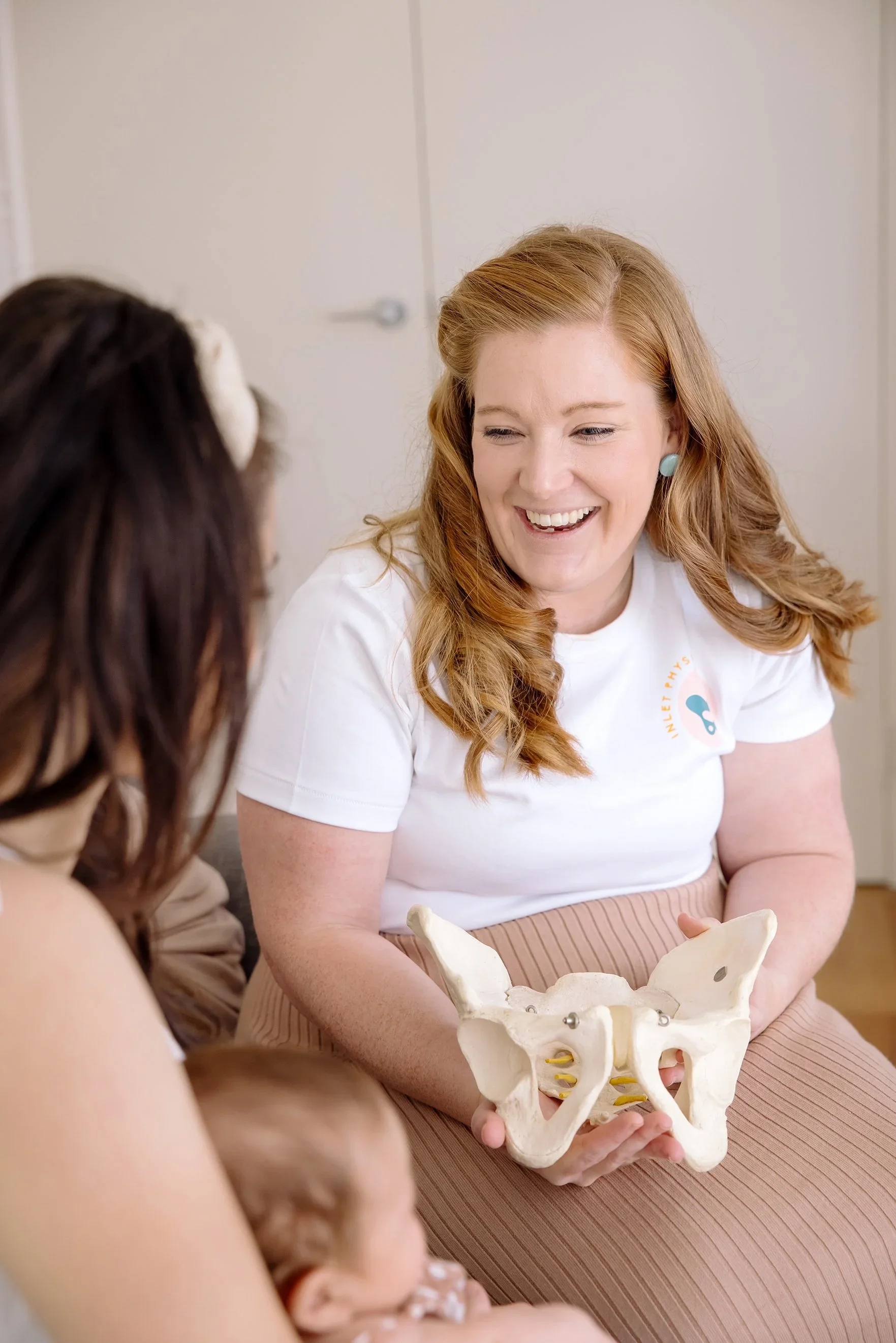
Author Liz White is a Pelvic Health Physiotherapist who owns and operates Inlet Physiotherapy, a mobile Pelvic Health Physiotherapy Clinic, offering at home consults or telehealth options.